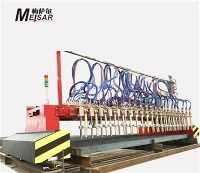
Regular Metal Thin Sheet Materials
Regular thin metal sheets play a vital role in our daily lives and industry, offering numerous benefits and contributing to various aspects of modern living. From construction to home appliances, their presence enhances efficiency and innovation.
In modern industry, the use of regular thin metal sheet materials plays a vital role across a wide range of applications. These versatile materials are known for their excellent strength, flexibility, and durability, making them indispensable in manufacturing, construction, automotive, electronics, and many other sectors.
Common Types of Thin Metal Sheets
Regular thin metal sheets typically come in various materials such as stainless steel, aluminum, copper, and galvanized steel. Each type offers unique benefits depending on the industrial requirements:
Stainless Steel Sheet: Loved for its corrosion resistance and aesthetic appeal, stainless steel sheets are widely used in kitchen appliances, medical equipment, and architectural projects.
Aluminum Sheet: Lightweight and highly malleable, aluminum sheets excel in aerospace, transportation, and packaging industries.
Copper Sheet: Known for its excellent conductivity, copper sheets find their place in electrical applications and decorative arts.
Galvanized Steel Sheet: With a protective zinc coating, galvanized steel sheets offer enhanced resistance to rust and are popular in construction and outdoor equipment.
Thin metal sheets enable manufacturers to produce lightweight yet strong components, improving efficiency and reducing material costs. Their ability to be precisely cut, bent, and shaped supports innovative product designs and customization. Furthermore, the recyclability of metal sheets contributes positively to sustainable industrial practices.
As technology advances, the demand for high-quality thin metal sheets continues to grow. New developments in metal processing and coating technologies allow for even greater performance and environmental benefits. Industries benefit not only from the functional advantages of these materials but also from their contribution to creating safer, more durable, and aesthetically pleasing products.
Regular thin metal sheet materials remain a cornerstone of industrial production, helping to drive progress and innovation across sectors. Their reliability, versatility, and sustainability make them a smart choice for manufacturers committed to excellence and environmental responsibility.
Common Thin Metal Sheet Cutting Methods:
Grinding Wheel Cutting
Steel is cut using a high-speed rotating grinding wheel. This method is lightweight, flexible, and convenient, making it suitable for construction sites and interior decoration. It is commonly used for cutting small-diameter square pipes, round pipes, and special-shaped pipes.
Saw Cutting
Saw cutting involves dividing a workpiece using a saw blade. Metal band saw machines are commonly used for this process. It is a fundamental method in metal processing, with saw blades selected based on material hardness and optimal sawing speed adjustments.
Flame Cutting (Oxygen and Gas Cutting)
Flame cutting uses a chemical reaction between oxygen and red-hot steel to heat and melt the metal. Acetylene or natural gas is used for heating. This method is suitable for cutting carbon plates up to two meters thick but is not ideal for stainless steel, copper, or aluminum. Flame cutting is cost-effective but may result in a rough section with significant thermal deformation and slag.
Plasma Cutting
Plasma cutting, developed in the 1950s, uses a high-temperature plasma arc to partially melt and evaporate metal at the cut line. The high-speed plasma removes the molten metal. Plasma cutting is fast, especially for carbon steel sheets, and provides smooth cuts with minimal thermal deformation. It can cut various metals, including carbon plates, stainless steel, copper, aluminum, and nickel-titanium.

Laser Cutting
Laser cutting employs high-energy laser beams to melt or vaporize metal for precise and efficient cutting of thin steel plates (<30mm). It offers high cutting speed, excellent dimensional accuracy (up to ±0.05mm), and minimal heat-affected zones, resulting in nearly no deformation. Laser cutting excels in quality, while plasma cutting is generally faster.
Waterjet Cutting
Waterjet cutting uses high-pressure water jets, often mixed with abrasives like garnet or emery, to cut metal. It can handle thicknesses up to 200mm and achieve accuracy of ±0.4mm or better. The primary advantage of waterjet cutting is the absence of thermal effects, making it suitable for materials sensitive to heat and allowing for intricate shapes and curves.
After years cutting practice, considering the ability, precision, cost effective, speed etc, the really suitable CNC cutting ways for thin metal sheet cutting is plasma and laser.
Thin Metal Sheet Cutting Machine MS-P
Hubei Meisar CNC relys on the plasma cutting ways to cut kinds of thin metal sheet:
- Thin metal sheet cutting machine MS-P simple introduction:
Machine type: Portable type, cantilever type, plasma way cnc cutting machine MS-P1630HD
Cutting way: plasma cnc cutting (can add flame cnc cutting on one machine).
Cutting thickness: Plasma cutting, most thin thickness 0.1-25mm (recommended)
Suitable for metal sheet material: mild steel, stainless steel, copper, aluminium, zinc etc sheet.
Cutting speed: 0-6500mm/Min

- Thin metal sheet cutting machine MS-P specification:
|
Name |
Portable type Plasma Cutting Machine |
Portable type flame Cutting Machine |
|
Model |
1630HD |
1630HD |
|
Plasma THC |
With Plasma THC |
Electric THC |
|
Effective Cutting Range (X*Y) |
1600*3000mm |
1600*3000mm |
|
Customizing |
Track length (effective cutting length Y axis) can be extended as special length |
|
|
Y axis Track Size (mm) |
3500 |
3500 |
|
Torch Height Control Style |
With Plasma THC |
Electric THC |
|
Input Power |
Single Phase AC 110 or 220V |
|
|
Approximately 220W |
||
|
Cutting Modes |
Plasma Cutting and or Flame Cutting |
|
|
Transmission Style |
Rack And Gear |
|
|
Motor Style |
Step Motors Single Drive or Change to be Servo |
|
|
Cutting Speed |
0 - 6500 mm / min (Maximum 6500mm/min) |
|
|
Torch Lifting Distance (Z) |
≤230mm |
|
|
Operation Precision |
± 0.2 mm / meter |
|
|
Flame (Gas) Cutting Thickness |
Piercing Capacity: 5 - 60 mm Edge Start: 5 -120mm |
|
|
Plasma Cutting Thickness |
Depends on the cutting capacity of the Plasma Generator |
|
|
Color Selection |
Red, Yellow and blue |
|
|
Cutting Table |
We offer free table drawing for user, freely to make. |
|
The Advantages of CNC Plasma Cutting Machine MS-P in Thin Metal Sheet Cutting
Plasma cutting is an innovative and highly efficient technology that brings numerous advantages when working with thin metal sheets. Its ability to deliver precise, clean cuts makes it an excellent choice for a variety of applications in manufacturing, automotive, construction, and artistic metalworking.

One of the key benefits of plasma cutting is its remarkable cutting speed. Plasma cutters can slice through thin metal sheets quickly, significantly increasing productivity while maintaining accuracy. This speed advantage helps businesses meet tight deadlines and reduces labor costs without compromising quality.
Another outstanding advantage is precision and edge quality. Plasma cutting produces smooth, neat edges with minimal dross, reducing the need for secondary finishing processes. This precision ensures that parts fit together perfectly, enhancing the overall quality of the final product.
Additionally, plasma cutting offers versatility. It can efficiently cut a wide range of metal types, including steel, stainless steel, aluminum, and other conductive metals, regardless of their thinness. This flexibility makes it a valuable tool in any workshop or industrial setting.
The process is also highly cost-effective. Plasma cutting requires less electricity and consumables compared to other cutting methods, making it an economical choice for cutting thin metal sheets. Its rapid production rates and reduced material wastage contribute to overall cost savings.
Moreover, plasma cutters are user-friendly and easy to operate, making them accessible to both beginners and experienced technicians. Their portability and compact design enable use in various environments, from large factories to on-site projects.
In summary, plasma cutting stands out for its speed, precision, versatility, cost-effectiveness, and ease of use. These advantages make it a preferred method for cutting thin metal sheets, driving efficiency and excellence in metal fabrication industries worldwide.
Hot Tags: thin metal sheet cutting, China thin metal sheet cutting manufacturers, suppliers, factory, Hypertherm Plasma Source Type CNC Plasma Cutting Machine, Portable Cutting Machine, Portable CNC Cutting Machine, Portable Cnc Plasma Cutters